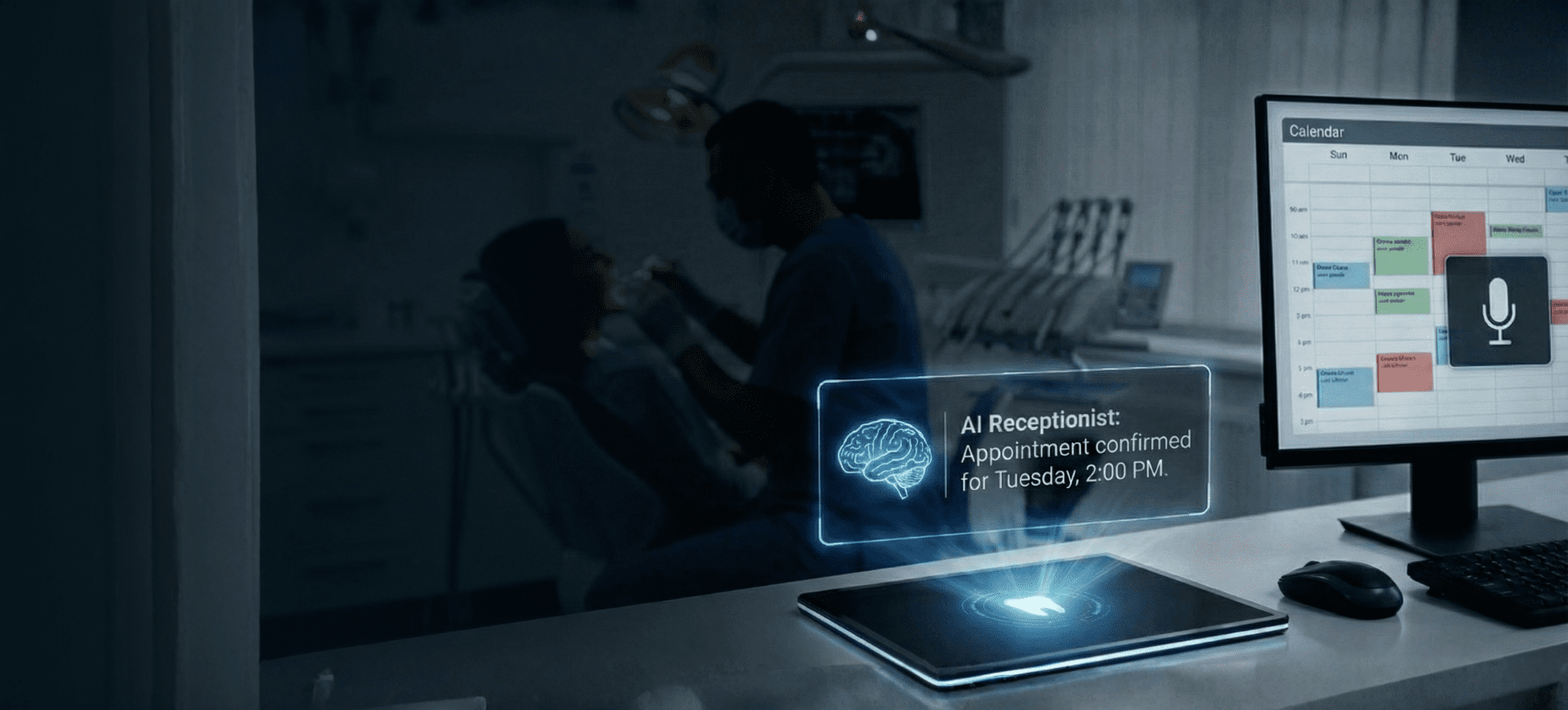






Dental offices do not need more noise at the front desk. They need fewer missed calls, cleaner scheduling, fewer gaps in the calendar, and a better way to manage the constant flow of patient questions that interrupt the day.
That is where an AI receptionist for dentists can be genuinely useful.
A dental office deals with a very specific kind of call volume. New patient inquiries, appointment requests, insurance questions, rescheduling, cancellations, reminders, emergency concerns, follow-up calls, and basic operational questions all come through the same phone line. When that flow is handled poorly, the results show up quickly. Bookings get missed, staff get overloaded, no-shows stay high, and patients start the experience frustrated before they ever step into the clinic.
An AI receptionist can help with that. It can answer calls quickly, route patients properly, support scheduling workflows, help with common insurance-related questions, and reduce the administrative drag that keeps front desk teams in constant reactive mode.
It also needs to be judged by the right standards.
For a dental office, the question is not whether the AI sounds impressive. The real question is whether it helps with the things that actually affect operations and revenue. That usually comes down to three priorities: booking, insurance-related call handling, and reducing no-shows.
If you want a broader look at how these systems work in business, visit Autovance Automation or explore our AI receptionist for dentists solutions.
Dental clinics tend to have the exact kind of call environment where AI can add value.
The front desk is rarely doing one thing at a time. Staff are helping patients in person, managing schedules, dealing with clinical coordination, answering insurance questions, processing reschedules, and trying to keep the day on track. That means inbound calls often arrive at the worst possible moment.
A missed call in a dental office is not just an inconvenience. It can mean a lost new patient, a delayed treatment conversation, an appointment that never gets confirmed, or an existing patient who decides the office is too hard to reach.
That is why dental call answering matters so much. The first phone interaction shapes trust early. If the office feels organized, responsive, and easy to work with, conversion gets easier. If the first interaction feels chaotic or unavailable, the patient may move on.
A good dental AI receptionist should focus on practical outcomes, not gimmicks.
It can:
That matters because most dental offices do not need a system that tries to do everything. They need one that handles repetitive front-end communication well and takes pressure off the staff without creating confusion for patients.
If a dental office is evaluating an AI receptionist, booking should be near the top of the list.
That includes new patient appointments, hygiene visits, consultations, follow-up visits, and rescheduling. A phone system that answers quickly but does not help move people toward an appointment is missing one of the biggest opportunities.
This is where dental appointment booking AI becomes valuable. It helps capture patient intent while that intent is still active. A caller who wants to book should not have to fight through voicemail, long hold times, or callback delays just to find an opening.
The system should make the path clear. It should gather the information needed, identify the type of appointment requested, and move the patient toward the correct next step without adding friction.
That is especially helpful during busy periods and after hours. Many dental offices lose bookings simply because nobody was available at the moment the patient called. AI fixes that part of the problem by keeping the first interaction alive instead of letting it die at voicemail.
Insurance is one of the most common pain points in dental call handling.
Patients call with questions about coverage, network status, eligibility assumptions, procedure concerns, or whether the office takes their plan. These calls take time, and they often interrupt staff repeatedly throughout the day.
An AI receptionist can help by handling the early part of that interaction in a structured way. It can gather the caller’s insurance-related information, explain the office’s general process, route the question correctly, and set expectations clearly.
That last part matters a lot.
Dental offices should be careful not to overpromise on insurance matters during the first call. Coverage details are often nuanced. Final verification usually requires staff review. The AI should help organize the conversation, not create false certainty. A strong setup can say what the office generally accepts, explain that benefits depend on verification, and collect the details needed for a human follow-up when necessary.
This creates a smoother experience for the patient while protecting the office from unnecessary confusion.
No-shows hurt dental offices more than many people realize.
They create wasted chair time, disrupt provider schedules, reduce daily production, and add stress to a team that already has to manage a tightly coordinated calendar. A no-show does not just leave an empty slot. It creates lost revenue that is difficult to recover on short notice.
This is one reason reduce no-shows dental is such an important outcome when evaluating an AI receptionist.
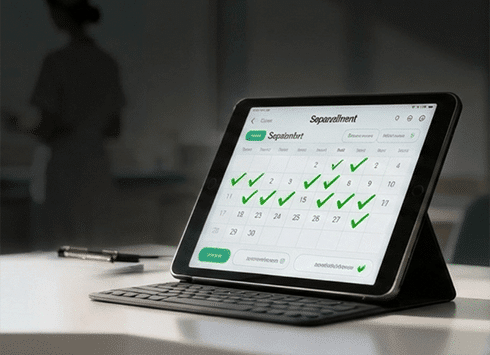
The right system can support reminders, confirmations, rescheduling flows, and patient follow-up in a way that helps keep the schedule cleaner. If a patient needs to cancel, the office can learn that earlier. If someone needs a reminder or an easier path to confirm, the system can support that. If a slot opens up, the practice may even be able to trigger a rebooking or waitlist workflow more efficiently.
AI does not eliminate no-shows completely. It gives the office more structure around the behaviors that lead to them.
Speed matters because patients often call multiple offices.
A person looking for a new dentist may not have strong loyalty yet. They may be comparing providers based on availability, convenience, insurance fit, location, and how easy the office feels to deal with. If your office misses the call, delays the callback, or makes the first interaction feel difficult, that patient may book elsewhere.
This is especially true for:
A responsive system creates an advantage before clinical care ever begins.
The best AI receptionist for a dental office is not the one with the most features. It is the one that handles the right workflows well.
A dental practice should focus on whether the system can:
That last point is important. If the AI creates more cleanup work for the front desk, adoption will suffer. The goal is to reduce friction, not move it around.
Not every call should stay with AI.
Some patients are upset. Some calls involve nuanced treatment questions. Some people are elderly, anxious, or confused and need more human support. Some insurance situations are too specific for a first-touch automated conversation. Emergency-related calls also need careful routing rules.
That means a strong dental AI setup needs human exits built in. Patients should be able to reach a person, request a callback, or be transferred when the situation requires it. The AI should support the office, not trap the patient in a rigid flow.
That balance is what makes the system trustworthy.
A lot of dental offices underestimate how many opportunities arrive outside the hours when the front desk is fully available.
New patients may call in the evening after work. Existing patients may call about a concern early in the morning. Someone may need to cancel or reschedule before the office opens. A person comparing dentists may make their decision based on who responds first, even if that response is not a live human yet.
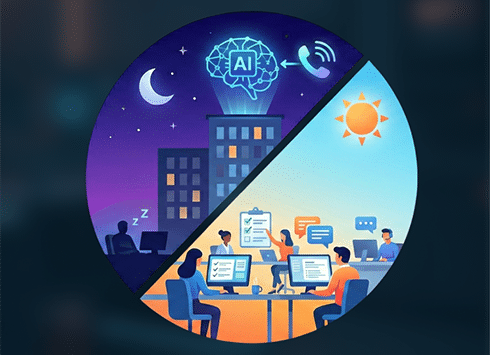
This is where AI adds operational value quickly. It keeps the office responsive when the team is unavailable, captures information cleanly, and protects opportunities that would otherwise be lost.
For dental practices, the value usually comes from a combination of factors rather than one dramatic feature.
The office captures more new-patient opportunities.
The front desk has fewer repetitive interruptions.
Scheduling becomes easier to manage.
Insurance-related calls are handled more cleanly at the front end.
Reminder and confirmation workflows become stronger.
No-show pressure starts to come down.
That combination is where the real ROI shows up, and AI Receptionist Cost is the best next page to review when comparing that return against the actual investment.
A dental office does not need an AI receptionist to feel futuristic. It needs one because communication gaps cost money, and the right system can close those gaps.
An AI receptionist for dentists works best when it is focused on what actually matters inside a dental office.
That means helping patients book more easily, handling insurance-related intake questions in a structured way, and supporting the systems that reduce no-shows and front desk overload. It also means giving patients a smoother first interaction while making the day more manageable for staff.
The strongest results do not come from flashy features. They come from better scheduling, better responsiveness, and fewer opportunities slipping through the cracks.
If your practice is losing bookings, dealing with front desk overload, or struggling with schedule gaps caused by missed communication, an AI receptionist can be a practical way to improve how the office runs.
To explore what that could look like for your practice, visit Autovance Automation or review our AI receptionist for dentists solutions.